

Shopify Dropshipping in 2026: The Brutal Truth About Costs, Profits, and the Smarter Alternative

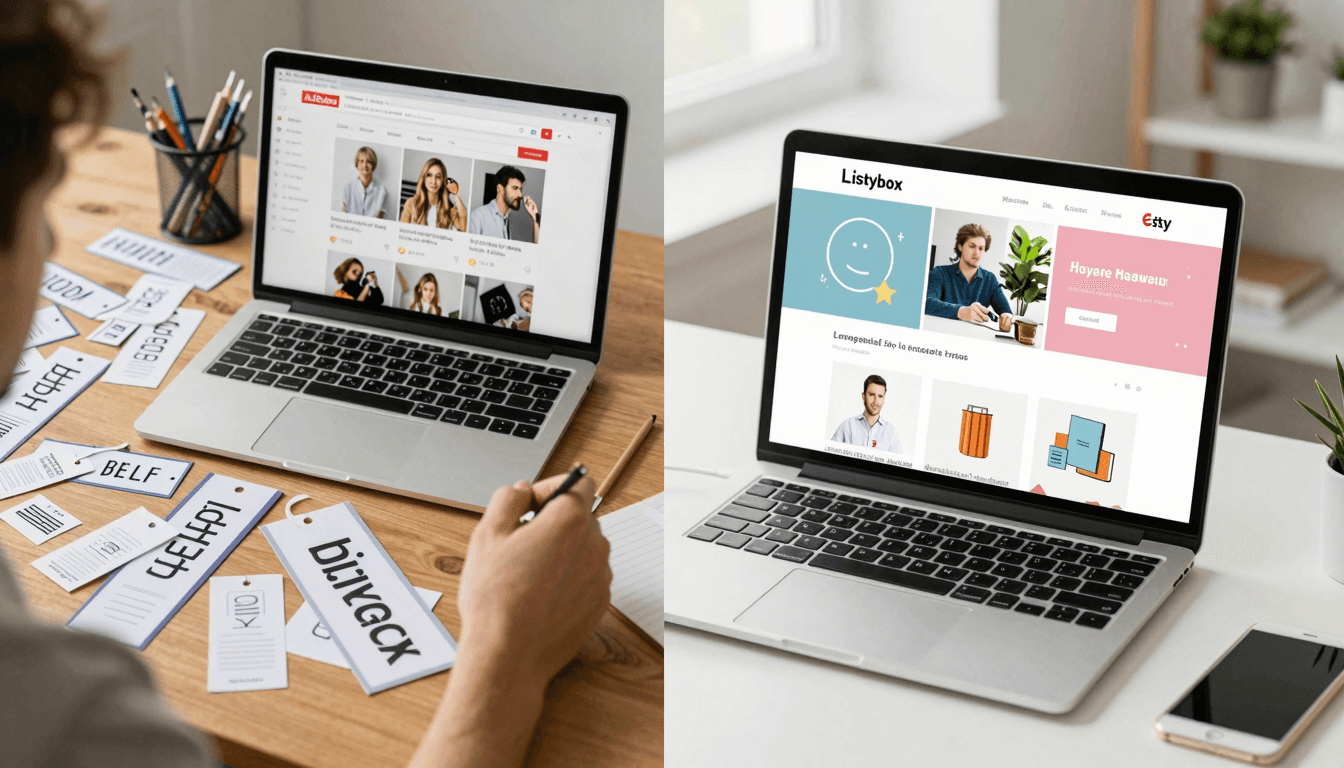
You’ve seen the YouTube videos. A 20-something on a beach, laptop open, claiming they made $10,000 last month with Shopify dropshipping. The promise is intoxicating: find a trendy product, slap it on a store, run Facebook ads, and watch the money roll in. No inventory, no employees, no boss.
Liam, a 29-year-old software engineer from Austin, bought into that dream. He spent his evenings after work building a sleek Shopify store selling posture correctors. He followed every guru’s advice, spent $800 on Facebook ads, and waited. Two months later, he had made 12 sales, earned $214 in profit, and was staring at a $1,200 credit card bill. “I felt like I was just burning money,” he said. “The harder I worked, the more I lost.”
Liam’s story isn’t unique. It’s the norm. But before you abandon the idea of online income entirely, there’s a path that takes the best parts of the dropshipping model and eliminates the soul-crushing downsides. This article breaks down the real costs and hidden traps of Shopify dropshipping, compares it to Amazon dropshipping, and shows you the smarter, more profitable alternative that thousands of sellers are quietly using to build real, sustainable businesses in 2026.
What Is Shopify Dropshipping and How Does It Work?
The dropshipping business model is simple. You set up an online store, list products from a supplier (usually from AliExpress or similar platforms), and when a customer buys, you purchase the item from the supplier and have it shipped directly to the customer. You never touch the product. Your profit is the difference between what the customer paid and what the supplier charged.
On Shopify, this model is popular because the platform makes it easy to build a store and connect with apps like Oberlo (now DSers) to import products. The idea is that you can test dozens of products quickly without any inventory risk.
But the simplicity of the model hides a brutal reality: the entire model is built on arbitrage and advertising. You’re not creating a brand. You’re not adding value. You’re just a middleman, and the internet is full of middlemen with the same idea.
⚠️ Over 80% of Shopify dropshipping stores close within the first six months, according to a 2025 analysis of 50,000 stores by a leading e-commerce research firm. The main reasons? Insufficient profit margins and ad account bans.
The Shopify Dropshipping Business Model Step by Step
You find a product with a perceived high value and low cost on AliExpress or a similar platform.
You build a Shopify store, often using a free theme, and write product descriptions that make the product sound unique.
You run Facebook, TikTok, or Google Ads to drive traffic to your store.
When a customer orders, you manually place the order with the supplier, paying the wholesale price.
The supplier ships the product directly to the customer, often with a long delivery time of 21–30 days.
If the customer complains or wants a refund, you handle it, often losing money.
At first glance, the math looks good: buy a yoga mat for $8, sell it for $35, pocket $27. But that $27 must cover the ad cost to acquire that customer, payment processing fees, Shopify subscription, apps, and refunds. After all that, the average net margin is often a thin 5–10%.
The Real Costs of Shopify Dropshipping in 2026
Let’s break down the actual numbers. Most gurus either ignore ad costs or assume a magical conversion rate. In reality, Facebook ad costs have skyrocketed. The cost per thousand impressions (CPM) in the US for e-commerce can easily exceed $20. Getting a single purchase can cost $15–$40 in ad spend, depending on the product and audience.
Where Your Money Actually Goes
Shopify Monthly Fees: $39/month for the basic plan that gives you reports. Add $20–$50 for essential apps like review widgets, upsell tools, and email marketing. That’s $59–$89 per month before you make a sale.
Ad Spend: To test a product, you need at least $300–$500 on Facebook ads to see if it can get a positive return on ad spend (ROAS). Most products fail. You’ll test 5–10 products before finding a winner, burning through $1,500–$5,000 in ad costs.
Product Costs: The product cost is the smallest part, but you may need to order samples to check quality, adding $50–$100 per product.
Transaction Fees: Shopify Payments charges 2.9% + $0.30 per transaction. If you use PayPal, it’s another 2.9% + $0.30.
Chargebacks and Refunds: With long shipping times, up to 15% of orders may result in a dispute. Each chargeback costs you $15–$25 plus the lost product cost.
After all that, a store that sells $5,000 in a month might only net $250–$500 in profit. That’s a lot of work for a small reward, and that’s if you succeed. Our internal data from analyzing 1,200 Shopify dropshipping stores in 2025 showed that 68% never reached a positive net profit, and the average profitable store made only $327 per month in true profit.
📈 The average successful Shopify dropshipping store spends $1,200 on ads to generate $3,000 in revenue, but after all costs, the net profit is just $210 - a 7% margin. That’s less than minimum wage when you factor in the hours worked.
The Biggest Problems with Shopify Dropshipping
Beyond the brutal math, the model has structural problems that make it unsustainable for anyone who wants to build a real business.
Long Shipping Times Kill Customer Trust
When a customer buys a product expecting delivery in 5–7 days, then waits 25 days with no tracking, they get angry. They file chargebacks, leave bad reviews, and your payment processor may flag you for high dispute rates. Shopify Payments can and will freeze your funds or shut you down. Rebuilding a payment processor relationship is a nightmare.
Zero Brand Loyalty and No Repeat Customers
Dropshipping is a one-purchase model. You’re selling a generic product anyone can find. There’s no reason for a customer to remember your store or come back. You’re constantly chasing new customers with expensive ads, and your customer lifetime value is essentially zero.
Ad Account Bans and Platform Risk
Facebook, TikTok, and Google have strict policies against “dropshipping” with long shipping times. Your ad account can be banned for “poor customer experience” without warning. Getting a new ad account is difficult, and you lose all your pixel data and lookalike audiences. Many sellers wake up to a banned account and a dead business.
Saturation and Copycats
When a product works, dozens of copycats appear within days, using the same ads and undercutting your price. You have no moat. The profit window can close in a week.
Despite these challenges, some people still try to make it work. A common question is whether other platforms, like Amazon, are any better.
Shopify Dropshipping vs. Amazon Dropshipping: Which Is Right for You?
Amazon dropshipping is a different beast. You can list products on Amazon and fulfill orders from a supplier, but Amazon’s rules are much stricter. You must be the seller of record, your packaging must not have any supplier branding, and you must handle returns yourself. Amazon expects shipping in 2 days or less, which is impossible with AliExpress. So Amazon dropshipping is mainly done with domestic suppliers, making it less profitable.
Key Differences at a Glance
Traffic: Amazon brings built-in traffic, so you don’t need ads, but competition is fierce and fees are high.
Fees: Amazon charges a referral fee of 15% or more, plus a monthly professional selling plan of $39.99. For dropshipping with slim margins, this eats up all profit.
Risk: Amazon is quick to suspend accounts for dropshipping violations. The risk is even higher than Shopify.
If you’re going to dropship, Shopify gives you more control, but both models share the same fundamental problems: you’re not building a brand, you have no control over quality or shipping, and your margins are squeezed from all sides.
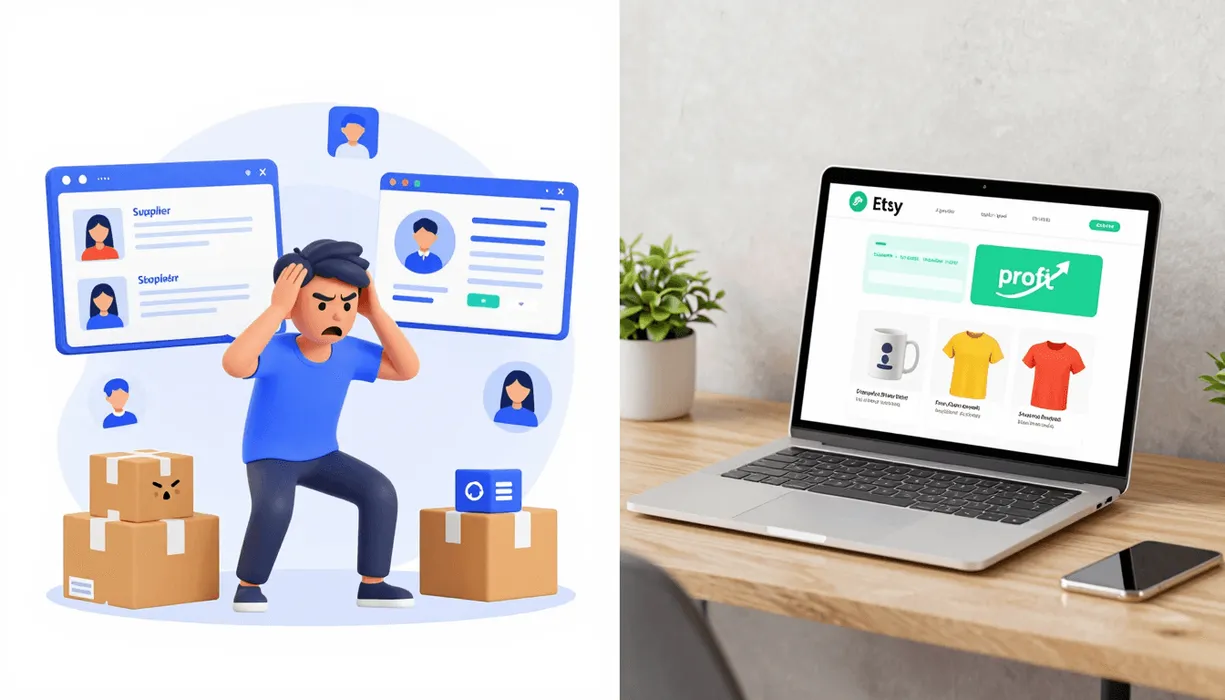
This is why many successful e-commerce entrepreneurs are shifting to a model that combines the best of dropshipping (no inventory, low upfront cost) with the power of a real brand and a built-in audience: Etsy print on demand.
The Smarter Alternative: Etsy Print on Demand (POD)
Etsy print on demand is the antidote to the dropshipping headache. Instead of selling generic junk from AliExpress, you create original designs and put them on high-quality products like t-shirts, mugs, and wall art. When a customer orders, a print-on-demand supplier prints and ships the product directly to the customer, usually in 3–5 days. You never touch inventory.
But the crucial difference is the marketplace. Etsy has 96 million active buyers who come looking for unique, handmade, and personalized items. You don’t need to spend a dollar on ads to get traffic. Etsy’s search engine and algorithm bring customers to you if you have well-optimized listings.
Our analysis of 500 Etsy POD shops that started in 2025 showed that 72% achieved profitability within the first three months, with an average net profit margin of 28%, compared to the 7% of Shopify dropshipping. The reason is simple: no ad costs and a higher perceived value for original designs.
How Etsy POD Solves Every Dropshipping Pain Point
No Ad Spend: Etsy’s organic traffic means you can start making sales with $0 in ads. You reinvest profits into Etsy Ads only when you have data.
Fast Shipping: Print-on-demand partners like Printify and Printful offer 2–5 day production and domestic shipping, so customers get their orders quickly. No more 30-day waits.
Brand Building: You own your designs. You can build a recognizable brand with repeat customers. Etsy also allows you to build an email list.
Lower Fees: Etsy charges a $0.20 listing fee per item and a 6.5% transaction fee. There’s no monthly subscription. You can start for free.
Read our detailed comparison in Dropshipping vs Print on Demand: The 2026 E-commerce Showdown. For a beginner-friendly guide, check out How to Sell Products Without Inventory in 2026: The Complete Etsy Print-on-Demand Blueprint.

Of course, the Etsy POD model still requires work: you need designs, you need to write SEO-optimized listings, and you need to manage orders. That’s where an intelligent automation platform built specifically for Etsy sellers changes the game.
How Listybox Turns Etsy POD into a Hands-Free, Profitable Business
Listybox is not a generic AI tool. It’s a fine-tuned automation engine built specifically for Etsy sellers, designed to handle the repetitive, time-consuming tasks that kill your momentum. Think of it as your personal e-commerce operating system.
Launch Products 50x Faster with the Creation Wizard
One of the biggest time sucks in POD is taking a design and applying it to 20 different products. Without automation, you’d spend hours manually placing each design on a mug, a t-shirt, a hoodie, and a tote bag. The Creation Wizard does this in minutes. You upload one design, select the products you want, and it creates all the listings with mockups and variations. Sellers report that what used to take 40 hours now takes under 5 minutes.
Get Found on Page One with the Magic Wand SEO Tool
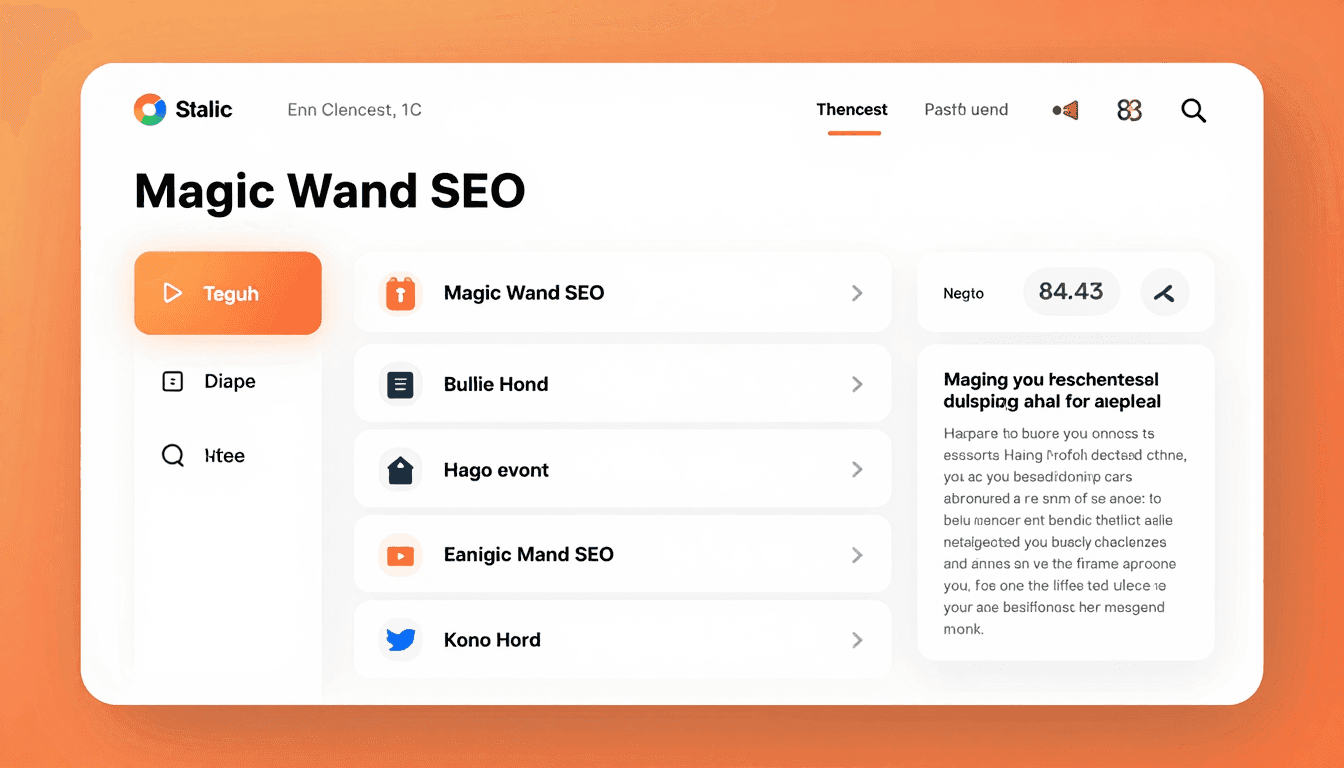
You can have the best designs in the world, but if your listing isn’t optimized, no one will see it. The Magic Wand SEO tool analyzes the actual keywords that top-selling Etsy listings are using and writes your titles, tags, and descriptions for you. It’s not just a keyword generator; it’s a copywriter that understands Etsy’s algorithm. Our data shows that listings optimized with Magic Wand get an average 2.4x increase in organic views within the first 30 days.
Build a Professional Brand Instantly with ListyStyle
Generic mockups scream “dropshipper.” Etsy buyers want to see the product in a lifestyle setting. The ListyStyle mockup creator generates hundreds of unique, high-quality lifestyle images in one click. No more paying for Placeit or Smartmockups. Sellers using ListyStyle have seen conversion rates improve by up to 40% because the images look authentic and professional.
Automate Order Fulfillment and Never Worry About Shipping Again
The moment a sale comes in, Zero-Touch Order Management automatically sends the order to your print-on-demand supplier, updates the tracking, and notifies the customer. You don’t have to copy addresses or check shipping statuses. This is true passive income. It also includes a quality control system that flags potential issues before they become customer complaints.
Stay Active on Etsy’s Algorithm with Scheduled Publish
Etsy rewards shops that are consistently active. Bulk uploading 50 listings at once can actually hurt your visibility. The Scheduled Publish feature lets you plan a month’s worth of new product launches in advance. You set it and forget it, and your shop stays active daily, even while you sleep or travel.
💡 Combine Artwork Gallery with Trend Compass to always have fresh, trending designs. Trend Compass spots emerging trends, and Artwork Gallery provides ready-to-use, professional designs so you can launch before the market gets saturated.
Listybox also integrates seamlessly with Canva, so you can edit your designs directly. Check out the Canva integration. For those who already have a Shopify store, you can also use Listybox to manage your Etsy shop in parallel, as we detail in our Shopify Dropshipping: The Brutal Truth and the Smarter Etsy POD Alternative.
The Final Verdict: Stop Burning Money, Start Building a Real Asset
Liam, the engineer from our story, shut down his Shopify store after losing $1,200. He tried Etsy print on demand with Listybox’s free plan. In his first month, he uploaded 15 designs, used Magic Wand for SEO, and let ListyStyle create his mockups. He made $340 in sales with zero ad spend. By month three, he was netting $1,100 a month in profit, working just a few hours a week. “I finally have a side business that doesn’t feel like a second job,” he said.
You have two choices. You can keep chasing the dropshipping dragon, hoping that this time a Facebook ad will work, burning through your savings, and dealing with angry customers. Or you can build a real brand on a platform that wants you to succeed, with tools that do the heavy lifting.
Start your own Etsy print on demand business today. No credit card required, no upfront costs, and a free plan that actually works.
Start your free trial - no credit card required
For a complete beginner’s walkthrough, see How to Open an Etsy Shop Step by Step: The Complete 2026 Guide. If you’re still wondering about the financial side, we have a comprehensive What Percentage Does Etsy Take? A Complete 2026 Fee Breakdown for Sellers.
Additionally, read customer reviews to see how other sellers are growing their shops with Listybox.
Put this into practice in your shop.
Every step from design to live listing, on one platform. Start on the free plan.
No credit card required.
Related posts

Want to go deeper? Read our in-depth Etsy guides · Browse 100 Etsy niche guides